One Family, One Calendar, Zero Chaos
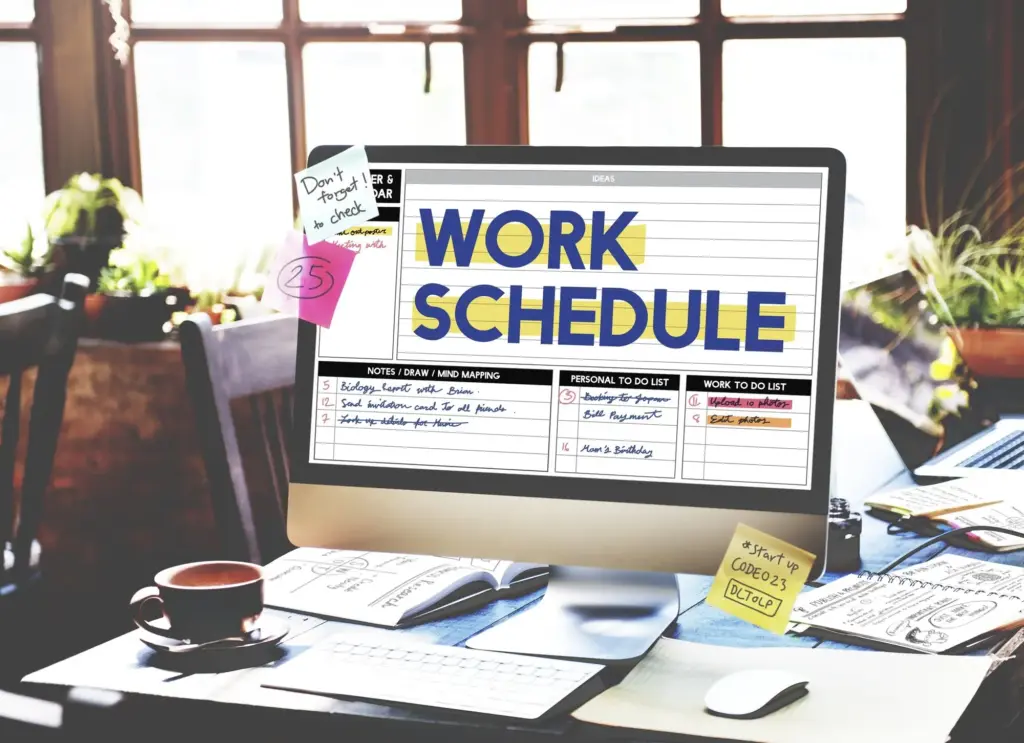

Today we dive into Family Calendar Sync: Managing School, Work, and Activity Schedules, transforming scattered emails, paper flyers, and conflicting appointments into a shared rhythm everyone can follow. You will find reliable techniques, memorable family stories, and gentle automations that protect energy and attention. By the end, evenings feel lighter, mornings calmer, and big days less stressful, because every person knows what matters, when it happens, and how to help each other succeed without last‑minute scrambles.

Build a Single Source of Truth

Before color-coding or clever reminders, clarity starts with one trustworthy place that holds school, work, and activities together. Families thrive when every person sees the same reality, even if they prefer different apps. A central calendar reduces whispered questions at bedtime, midday surprises, and hallway negotiations. It turns coordination from heroics into routine care. This consistency builds trust, helps kids learn planning, and gives adults space to respond thoughtfully rather than react frantically.

Taming the School Year Storm

The school year brings early bells, late practices, changing assemblies, and papers that vanish in backpacks. Synchronizing these moving parts protects homework windows, sleep, and family meals. Include district calendars, testing dates, closures, and performance nights. Treat school like a project with milestones and buffers. When students see predictable patterns, they gain confidence and reduce procrastination. Parents stop firefighting and start coaching. The household begins expecting success because the plan acknowledges reality, including travel time, fatigue, and celebrations afterward.

Bring School Dates In Automatically

Most districts publish calendars you can subscribe to with an ICS link. Add them rather than retyping, and set them to refresh. Capture report card releases, breaks, and parent conferences. Snap photos of flyers, then convert dates with scanning apps so nothing depends on memory alone. Teach older kids to forward teacher emails into calendar tools. A small ritual—five minutes every Friday—keeps everything aligned. The more automatic the intake, the fewer panicked morning discoveries or last-minute rides.

Make Homework Visible and Doable

Homework thrives on protected time blocks rather than vague intentions. Create recurring windows labeled clearly with subjects and quiet zones. Add visible checkpoints for big projects: research, outline, draft, proof, submit. Include gentle alarms that encourage breaks and water. When a middle-schooler named Maya adopted checkpoints after forgetting her science poster twice, she finished early, slept well, and proudly presented. Visibility turns dread into action. Pair blocks with a family agreement: devices parked, snacks ready, and encouragement within reach.

Align Careers Without Collisions

Work calendars often dominate attention and energy. Yet families thrive when professional commitments integrate respectfully with home needs. Share free/busy windows with partners, block school events as nonnegotiable when possible, and schedule commute buffers like real meetings. Protect recovery after late shifts. When both adults align on thresholds—who is on-call, who covers dinner, who handles bedtime stories—clashes soften. This is not perfection; it is kindness through structure, giving everyone a fair chance to succeed across important roles.

Share Availability Without Oversharing

Use shared free/busy views so partners can plan around meetings without reading confidential details. Mark crucial family moments as “busy” on your work calendar, and mirror them on the family calendar. For sensitive appointments, use neutral titles and private notes. Agree on escalation rules: when a calendar conflict merits a quick text, or when it can wait. This respectful transparency minimizes friction while preserving privacy, ensuring critical kid events, deliveries, and healthcare visits receive timely, coordinated attention from the right person.

Protect Focus and Family Hours

Declare daily focus blocks where deep work happens and family interruptions pause, then balance that by safeguarding home anchors like dinner, reading time, or soccer warm-ups. Share these boundaries in both calendars to prevent unintentional overrides. Add a recurring end-of-day shutdown routine that translates stray tasks into tomorrow’s plan. A designer I coached stopped answering emails during bedtime stories after adding a bright calendar fence. The result was fewer mistakes at work and happier kids, achieved through clear, visible guardrails.

From Practices to Parties, Seamless Plans

Extracurriculars bring joy, skills, and community—along with cleats, costumes, and carpools. A shared calendar keeps delight front and center by reducing avoidable chaos. Capture registration windows, uniform deadlines, recital rehearsals, and tournament brackets. Add arrival buffers and packing checklists directly to events. When activities collide, use colors to quickly spot which parent or neighbor can help. Include celebration time afterward for ice cream or photos, reinforcing that logistics support meaning. The goal is smoother fun, not sterile efficiency.

01

Carpools That Practically Run Themselves

Create a separate shared calendar for the carpool group, inviting trusted families with clear edit rights and guidelines. Use repeating events to map regular routes, then add swapped drivers as exceptions when needed. Title entries with pickup spots and seat counts to prevent overpromising. A short group message every Sunday confirms the week. When emergencies happen, everyone sees the same change instantly. This transparency turns favors into dependable routines, easing fuel costs, friendships, and safety without endless text threads or fragile memories.

02

Gear, Uniforms, and Prep Lists

Attach a checklist to each recurring practice: water, socks, mouthguard, instrument reeds, or charging cables. Link to a shared note with sizing info and replacement links so reorders happen before panic. Add a gentle reminder the night before for laundering uniforms and refilling bags. For recitals, include hair and makeup steps. After one missed pair of ballet tights, our household made prep lists mandatory; we have not scrambled since. Checklists in calendar context keep momentum high and stress low.

03

Weather, Traffic, and Buffering Reality

Plan for the world as it is, not as you wish. Add weather widgets, traffic time estimates, and five-to-fifteen-minute buffers around outdoor practices or cross-town events. A rain plan saved our niece’s birthday when storms moved the party indoors without tears. For long drives, schedule stretch breaks and bathroom stops as real events. Build forgiveness into arrival expectations and communicate changes early. Buffers transform near-misses into calm arrivals, protecting moods and performance when conditions inevitably shift at inconvenient moments.

Let Automation Do the Heavy Lifting

Small automations relieve mental load, turning repetitive tasks into quiet background help. Connect email to calendar with safe parsing, use rules that color-code invites, and trigger reminders only when context matters. Voice assistants capture ideas while hands carry groceries. Shortcuts assemble weekly schedules and text summaries to caregivers. Thoughtful automation is humane, never bossy—nudging, not nagging. It buys back minutes that become stories, puzzles, or stretching. The goal is fewer taps, clearer days, and more shared laughter together.

From Inbox and Apps Straight to Dates

Set filters that forward messages with keywords like “practice,” “conference,” or “pickup” to a calendar assistant. Tools like Zapier, IFTTT, or native rules convert structured emails into events with times, locations, and attachments. Review a daily digest to approve entries, preventing junk. For flyers, scan to text and paste into event notes. Over time, your calendar becomes a living mirror of commitments, updated by the information already flowing through your inbox, not a second job demanding relentless manual copying.

Smart Reminders That Feel Human

Customize reminders to match human moments, not arbitrary minutes. A day-ahead alert for baking cupcakes fits shopping reality better than a ten-minute ping. Location-based nudges prompt grocery pickups when you are already nearby. Stacked reminders—forty-five minutes and five minutes—aid transitions for kids with executive-function challenges. Replace scolding tones with encouraging language. After adopting kinder wording, our tween began honoring alarms without eye rolls. Reminders should reduce stress while supporting dignity, helping every person feel competent, trusted, and capable.

Speak It, Don’t Type It

When hands are full, voice capture preserves intentions that otherwise vanish. Train assistants with consistent phrasing like “Add math club on Wednesdays at three for the next twelve weeks.” Verify pronunciations for teachers’ names to avoid confusion. Pair voice entries with a nightly review to catch errors. Encourage kids to add their own events; it builds ownership and planning skills. This habit converts fleeting thoughts during commutes or chores into reliable plans, keeping mornings peaceful and afternoons on track.

Review, Resilience, and Real Life

Plans earn their keep when life throws curveballs. A short weekly review invites adjustments before conflicts escalate. Clear triage rules guide swaps and cancellations without guilt. Celebrate wins when the system prevents a meltdown, and learn gently when it doesn’t. Share a monthly highlights note with photos to remember why you plan at all. Invite readers to comment with their rituals, subscribe for checklists, and request templates. Coordination grows easier when families trade wisdom, not just tips, and cheer progress together.
Darivarokentonilorino
Privacy Overview

This website uses cookies so that we can provide you with the best user experience possible. Cookie information is stored in your browser and performs functions such as recognising you when you return to our website and helping our team to understand which sections of the website you find most interesting and useful.